
Types of Data Used in Data Science
Data science works at the intersection of data, technology, and decision making. At the heart of this field lies data in many different forms. Understanding the types of data used in data science is essential for anyone starting this journey. Each data type has its own structure, challenges, and use cases. When learners clearly understand these differences, they can choose the right tools and methods for analysis.
This foundational knowledge also helps in building accurate models and meaningful insights. For students who want to build strong fundamentals and practical exposure, enrolling in a Data Science Course in Mumbai at FITA Academy can be a helpful step toward structured learning and real world application.
Structured Data
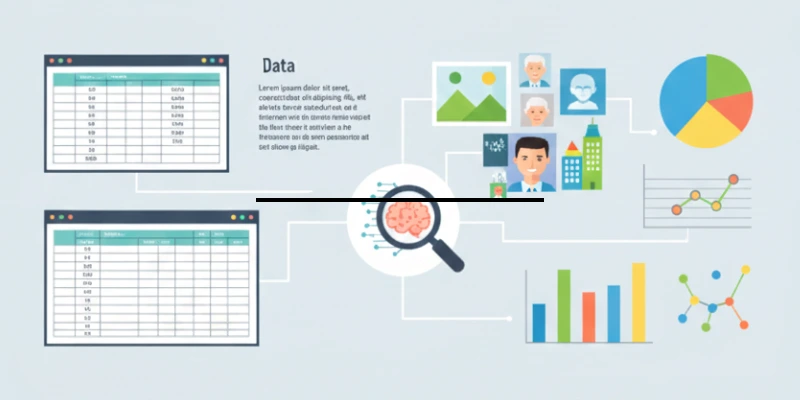
Structured data is the most organized form of data used in data science. It is usually stored in rows and columns, making it easy to search and analyze. Examples include spreadsheets, databases, and transactional records. This type of data works well with traditional statistical methods and query languages. Because of its clear format, structured data is often the starting point for beginners. It allows data scientists to perform calculations, filtering, and aggregation efficiently. Many business decisions rely heavily on structured data due to its clarity and consistency.
Unstructured Data
Unstructured data does not follow a fixed format. It includes text documents, images, videos, emails, and social media posts. This data type is rich in information but harder to analyze directly. Data scientists use techniques like natural language processing and image analysis to extract meaning from unstructured data.
As organizations generate large volumes of such data daily, its importance continues to grow. Learners who want to explore this area often look for hands-on programs like a Data Science Course in Kolkata that introduces practical tools for handling real world unstructured data effectively.
Semi Structured Data
Semi structured data falls between structured and unstructured data. It does not fit neatly into tables, but it still contains tags or markers that provide organization. Common examples include JSON files, XML data, and log files. This data type is flexible and widely used in web applications and APIs. Data scientists must understand how to parse and transform semi structured data for analysis. Working with this data improves adaptability and problem solving skills. Many learners strengthen these skills by taking a Data Science Course in Delhi that emphasizes data handling across varied formats and systems.
Quantitative and Qualitative Data
Another important way to classify data is by its nature. Quantitative data deals with numbers and measurable values. It supports statistical analysis and mathematical modeling. Qualitative data focuses on descriptions, categories, and characteristics. It helps in understanding behavior, opinions, and patterns. Both types are valuable and often used together in projects. A balanced approach ensures deeper insights and better outcomes in data driven decision making.
Data science relies on multiple types of data, each serving a specific purpose. Structured, unstructured, semi structured, quantitative, and qualitative data together form the backbone of analysis and modeling. Understanding these types helps data scientists choose the right techniques and tools.
It also improves efficiency and accuracy in solving problems. For learners looking to master these fundamentals and apply them confidently, enrolling in a Data Science Course in Pune can support consistent learning and long term career growth in this evolving field.
Also check: The Importance of Reproducibility in Data Science